
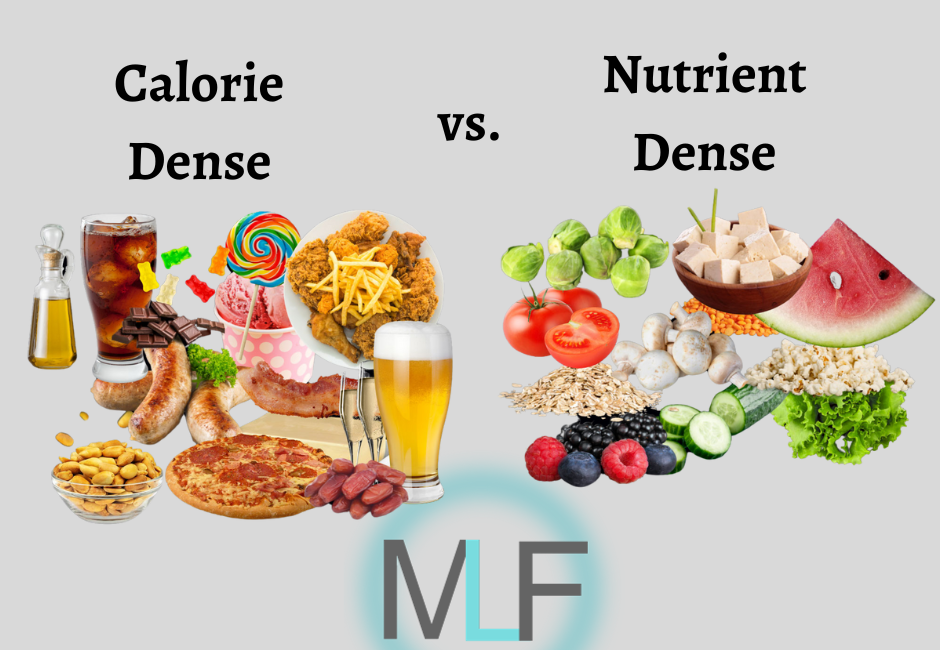

Nutrient-Dense Foods
Nutrient-Dense Foods contain high levels of nutrients, such as protein, carbohydrates, fats, vitamins and minerals, but with few calories. These foods provide the most bang for your nutritional buck. They are high-quality and generally are minimally processed. Nutrient-dense foods play an important role in most diets, offering a variety of important nutrients per serving.
Sources of Nutrient-Dense Foods
Fresh fruits and vegetables are packed with nutrients. Berries, melons and some tropical fruits, such as mangoes and papayas, are considered nutrient-dense.
Dark-green vegetables, sweet potatoes and tomatoes.
Lean meats: In addition to protein, beef contains high levels of zinc, iron and B-vitamins.
Many whole grains, including quinoa, barley, bulger and oats, are also nutrient-dense. There are some of these nutrient dense food items that have been enriched with added vitamins and minerals, such as calcium, iron and zinc.
This is another topic for another blog!
Calorie-Dense Foods
Calorie-dense foods, also called energy-dense foods, contain high levels of calories per serving. Although some may be sources of nutrients, they need only to contain many calories in relation to volume to be considered calorie-dense. Some of these foods contain “empty calories,” in that they provide energy from calories without other significant nutritional value. Calorie-dense foods have their place in some diets, particularly those of people who must gain weight. However, most people should avoid calorie-dense foods and beverages.
Sources of Calorie-Dense Foods
Many processed foods are considered calorie-dense, such as; cakes, cookies, snacks, doughnuts and candies. Often, they contain high levels of calories with few healthful nutrients. Some “fast foods” also are considered calorie-dense, such as cheeseburgers and fries, because they provide many calories per volume.
By choosing foods prepared with low-fat cooking techniques, you can improve the calorie-density of some foods.
Takeaways: We are what we eat, and are able to breakdown, digest, and utilize. Also what we eat determines our immune health, quality of living, and day to day performance. These things can be confusing and a bit overwhelming.
Do the research, reach out for a consult, and DON’T OVERTHINK IT.